
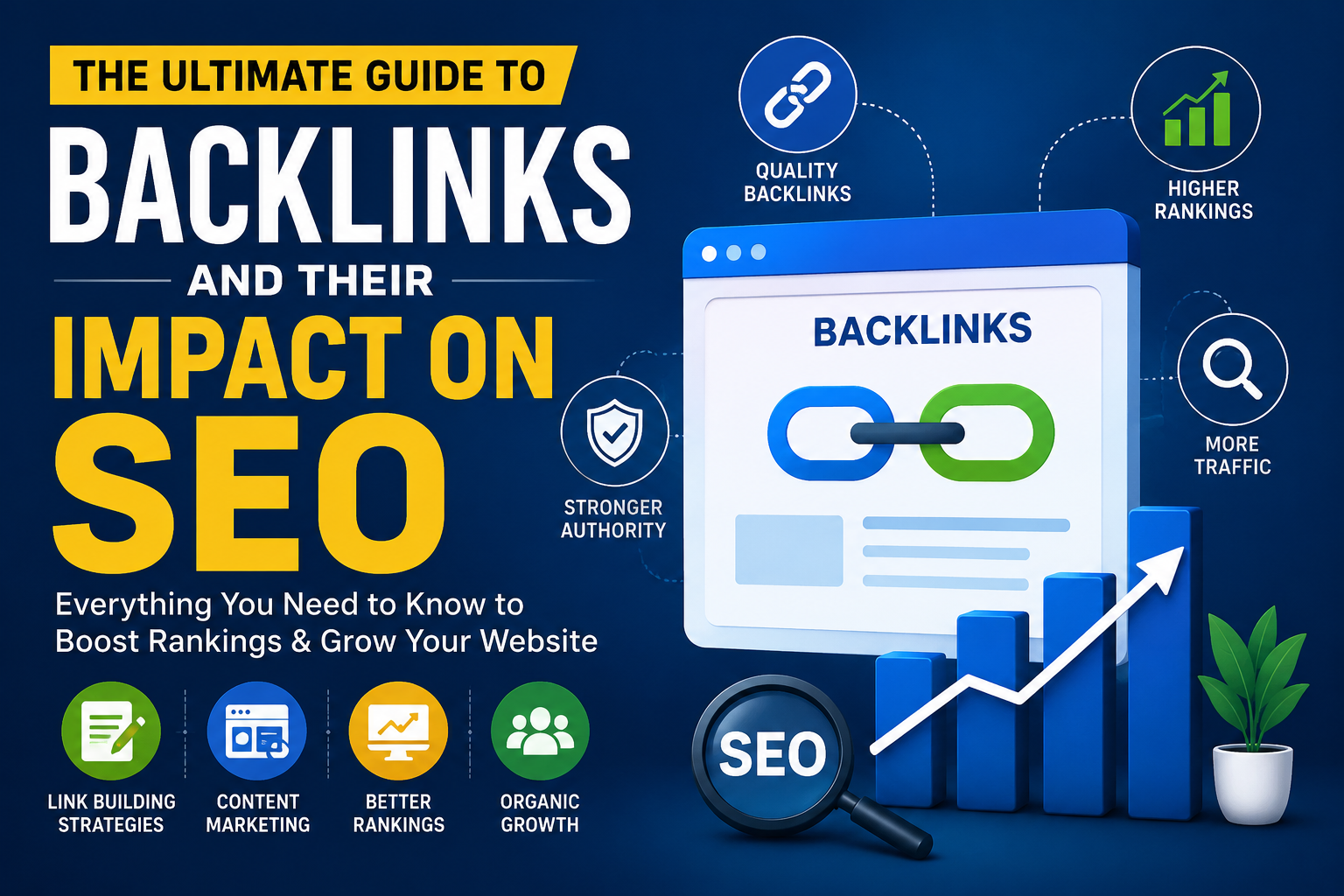
Welcome! If you’ve ever dipped a toe into the world of SEO, you’ve likely heard the term “backlinks” tossed around like SEO jargon gold. But what exactly are backlinks, and why do they hold such sway over your website’s ranking on Google and other search engines? Today, we’re diving deep into backlinks—what they are, why they matter, and how you can use them effectively to boost your SEO game.
What Are Backlinks?
At its simplest, a backlink is a link from one website to another. Think of it as a vote of confidence or a recommendation. When Website A links to Website B, it’s essentially telling search engines, “Hey, this content over here is valuable and trustworthy.” The more quality backlinks your site has, the more credible it appears to search engines.
Why Do Backlinks Matter for SEO?
Search engines like Google use backlinks as one of the primary ranking factors. They assume that if many reputable sites link to a page, that page must have valuable content worth showing to users. Backlinks help with:
- Authority Building: Quality backlinks from authoritative sites boost your domain’s overall authority, making your pages more likely to rank higher.
- Traffic Generation: Visitors often discover new sites by clicking links on other websites, which can increase your referral traffic.
- Indexing Speed: Search engines find new pages faster when they’re linked from already indexed pages.
Quality Over Quantity: What Makes a Backlink Valuable?
Not all backlinks are created equal. A single link from a highly trusted, relevant site can be far more powerful than dozens of links from low-quality or spammy sources. Here’s what to look for:
- Niche Authority: Links from sites within your industry or niche carry more weight.
- Authority: Links from well-established websites with high domain authority boost your SEO more effectively.
- Anchor Text: The clickable text of the link matters—a descriptive and relevant anchor text can help signal the linked page’s topic to search engines.
- Follow vs. No-follow: “Follow” links pass SEO value, while “no-follow” links usually don’t—but both can still drive traffic and brand awareness.
How to Build Backlinks Ethically and Effectively
Building backlinks isn’t about spamming forums or buying links—that can backfire and get your site penalized. Instead, focus on these strategies:
- Create Exceptional Content: When your content is genuinely useful, insightful, or entertaining, other sites naturally want to link to it.
- Expand Your Reach: Guest blogging serves a dual purpose: it builds a high-quality backlink profile while funneling a fresh stream of targeted traffic to your site.
- Reach Out: Politely ask bloggers, journalists, or industry influencers to check out your content if it adds value to their audience.
- Leverage Social Media and Communities: Sharing your content in relevant groups or forums can increase visibility and the chances of getting linked.
Common Backlink Mistakes to Avoid
While backlinks are powerful, missteps can harm your SEO efforts:
- Buying Links: Paid links often violate search engine guidelines and can lead to penalties.
- Using Link Farms or Spammy Directories: These low-quality sources won’t help and can damage your site’s reputation.
- Ignoring Relevance: Links should be contextually relevant to your content, not random or unrelated.
Backlinks remain a cornerstone of SEO success, but the key is focusing on quality, relevance, and ethical strategies. By understanding what makes a backlink valuable and how to earn them authentically, you’re setting your website up for sustainable growth and improved search rankings.
Thanks for reading! Next week, we’ll explore the secrets of on-page SEO tweaks that make a real difference. Until then, happy linking and keep creating content that others want to share!

