
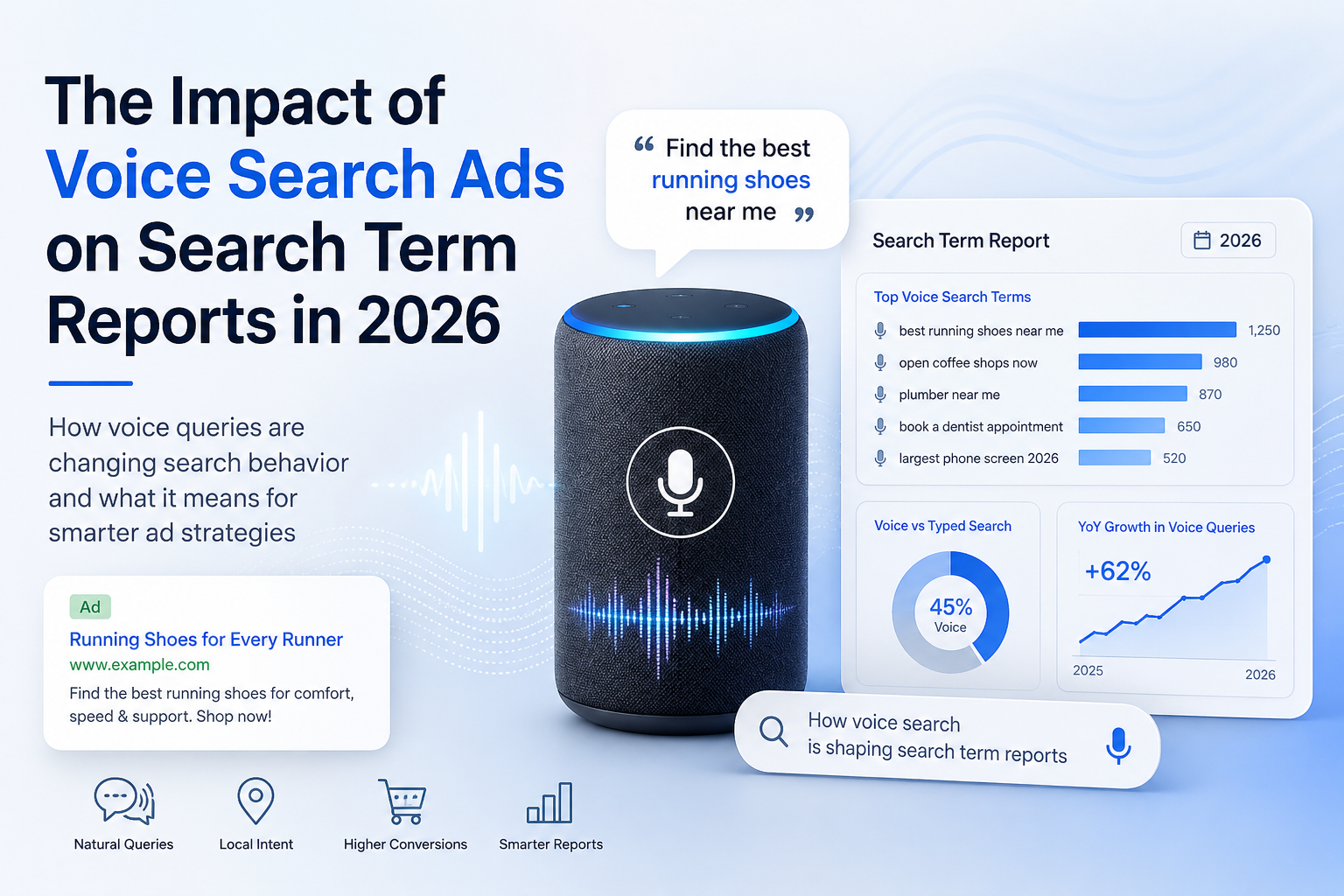
Welcome to a fresh look at how voice search technology is reshaping the landscape of digital advertising and, more specifically, how it’s transforming the way we interpret search term reports. As we dive into 2026, voice search isn’t just a novelty—it’s a dominant force influencing user behavior and the data marketers rely on. Let’s explore what this means for search term analytics and how you can adapt.
Understanding the Shift: Voice Search Ads in 2026
Voice search has evolved from a simple convenience to a preferred method for many users seeking information, products, or services. With smart speakers, virtual assistants, and mobile devices integrating voice technology more deeply, advertisers have adapted by crafting voice search ads designed for conversational queries.
This shift affects search term reports—the detailed records marketers use to understand which queries triggered their ads. Voice search introduces new complexities and opportunities that demand fresh perspectives.
How Voice Search Ads Are Changing Search Term Reports
- More Natural Language Queries: Voice searches tend to be longer, more conversational, and question-based. Search term reports now include a higher volume of natural language phrases rather than traditional keyword fragments.
- Increased Variability and Ambiguity: Because people speak differently than they type, the diversity of search terms has expanded. This requires marketers to analyze broader patterns and semantic meanings rather than isolated keywords.
- Context and Intent Gain Priority: Voice search often reflects immediate intent and context (location, time, urgency). Search term reports are evolving to capture these nuances, helping advertisers better tailor voice ads.
- Data Volume and Noise: The sheer increase in voice-based queries leads to larger, sometimes noisier datasets. Filtering relevant search terms from filler or misunderstood speech is a new challenge in report management.
- Shift in Conversion Tracking: Voice interactions often involve multi-step queries or actions, so attributing conversions accurately requires enhanced tracking mechanisms integrated with search term data.
- Integration with AI and NLP Tools: Advanced natural language processing tools are increasingly used to parse and categorize voice search terms, making search term reports smarter and more actionable.
What Marketers Can Do to Stay Ahead
- Revise Keyword Strategies: Incorporate long-tail, question-based keywords that mirror voice search patterns into your campaigns and search term analysis.
- Leverage AI Analytics: Use AI-powered analytics to decode intent and context behind voice queries, improving ad targeting and relevance.
- Enhance Reporting Frameworks: Adapt your search term reports to handle larger datasets and distinguish meaningful terms from noise effectively.
- Focus on Conversational Content: Align your ad copy and landing pages with the natural language style of voice searches for better engagement and conversions.
- Monitor Emerging Trends: Keep an eye on how voice search behavior evolves, including regional language differences and device preferences, to refine your approach continually.
Voice search ads are undoubtedly transforming the fabric of search term reporting. For marketers willing to embrace these changes, the opportunity to connect more naturally and effectively with audiences is immense.
Thanks for joining me in this exploration of voice search’s impact on digital advertising metrics. Stay tuned for more insights next week as we delve into the future of AI-driven marketing strategies. Until then, keep listening to your audience—sometimes, it’s all in how they speak.

